
DOWNLOAD THE APP


Customer Services
Copyright © 2025 Desertcart Holdings Limited
DOWNLOAD THE APP
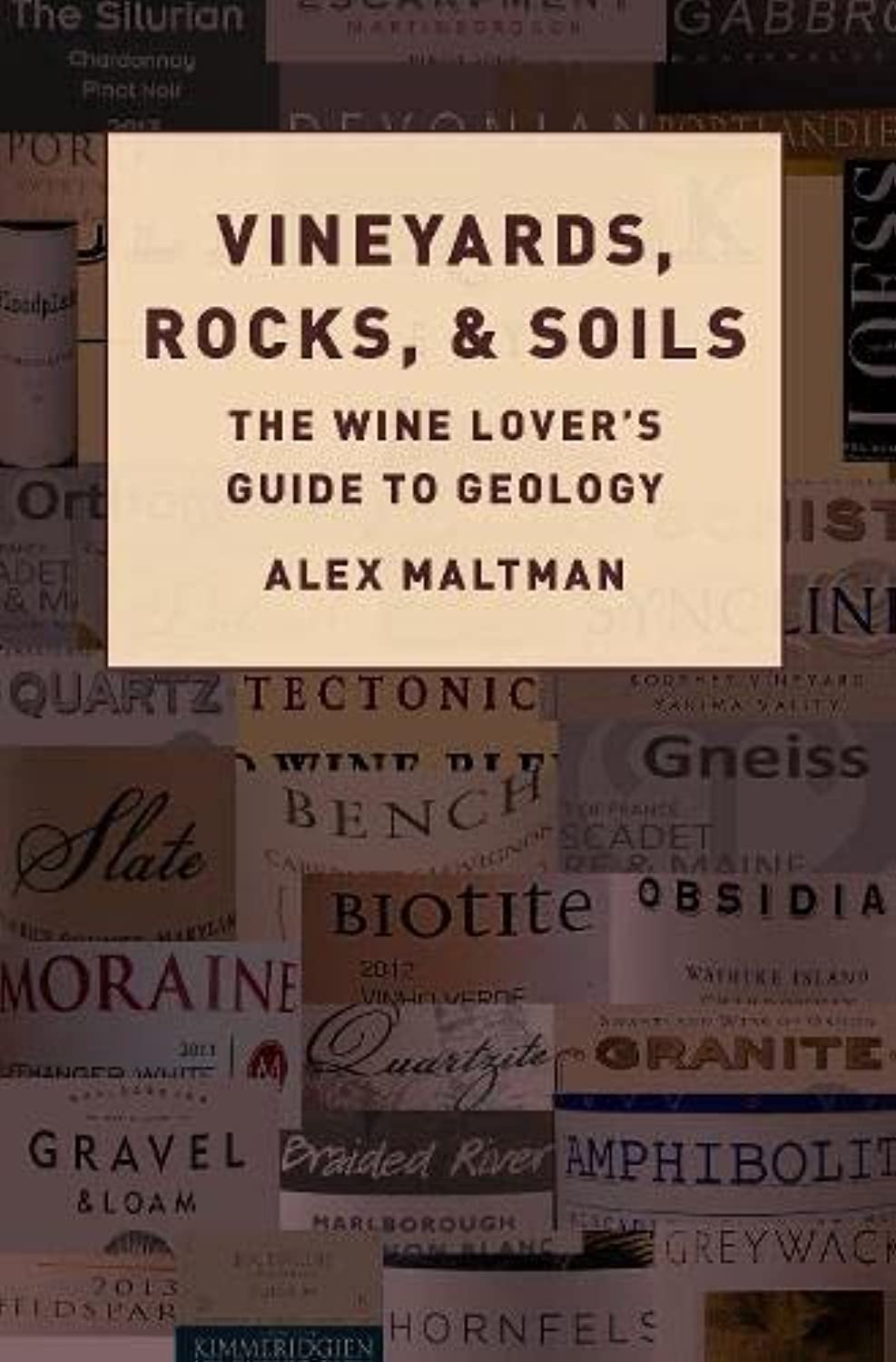
Buy Vineyards, Rocks, and Soils: The Wine Lover's Guide to Geology on desertcart.com ✓ FREE SHIPPING on qualified orders Review: Great geology foundation to understand wine - I devoured this book in just 2 days. I am going to be honest, I work for the Oil and Gas industry and I have great foundations in terms of geology and sb surface understanding. So it was easy for me to read thru the book. What I wish the author had done that throughout the book, be more specific. On what are the different propertise of the soil and how do they finally affect the winds? You know, like make more clear correlations of how the air composition makes different effects in wine. Nevertheless, the book is very well written takes you through the very basic Concepts of geology, minerality t and composition, and it does outline and gives you very good examples on where you find those in different areas of the world, touches on the most important time wine, rejones, like Burundi and explains to you what you're reading, how is that being shown in that actual? Place So if you have visited these places, you will very easily relate on what he saying, great ook, definitely a must read. If you really want to understand how wine gets, it's presence or its character out of the soil and terroir, this is the book for you! Review: Essential reading for serious wine geeks! - I have finished reading this for the first time, but it won’t be my last. I appreciate how he essentially starts at the beginning and explains how & why each step is important. I think this works for people with different levels of knowledge of wine or geology. He does a great job of disputing myths of minerality in wine without being mean about it & he finally shows how geology does influence wine taste. This is one of those books that quickly shows that it is essential reading.
| Best Sellers Rank | #359,797 in Books ( See Top 100 in Books ) #29 in Crop Science (Books) #60 in Horticulture (Books) #284 in Food Science (Books) |
| Customer Reviews | 4.6 4.6 out of 5 stars (139) |
| Dimensions | 6.1 x 1.1 x 9.4 inches |
| Edition | Illustrated |
| ISBN-10 | 0190863285 |
| ISBN-13 | 978-0190863289 |
| Item Weight | 2.31 pounds |
| Language | English |
| Print length | 256 pages |
| Publication date | April 2, 2018 |
| Publisher | Oxford University Press |
G**G
Great geology foundation to understand wine
I devoured this book in just 2 days. I am going to be honest, I work for the Oil and Gas industry and I have great foundations in terms of geology and sb surface understanding. So it was easy for me to read thru the book. What I wish the author had done that throughout the book, be more specific. On what are the different propertise of the soil and how do they finally affect the winds? You know, like make more clear correlations of how the air composition makes different effects in wine. Nevertheless, the book is very well written takes you through the very basic Concepts of geology, minerality t and composition, and it does outline and gives you very good examples on where you find those in different areas of the world, touches on the most important time wine, rejones, like Burundi and explains to you what you're reading, how is that being shown in that actual? Place So if you have visited these places, you will very easily relate on what he saying, great ook, definitely a must read. If you really want to understand how wine gets, it's presence or its character out of the soil and terroir, this is the book for you!
S**N
Essential reading for serious wine geeks!
I have finished reading this for the first time, but it won’t be my last. I appreciate how he essentially starts at the beginning and explains how & why each step is important. I think this works for people with different levels of knowledge of wine or geology. He does a great job of disputing myths of minerality in wine without being mean about it & he finally shows how geology does influence wine taste. This is one of those books that quickly shows that it is essential reading.
V**T
Debunks misperceptions, sheds light on a host of natural world and wine phenomena
Highly readable, lucid, and eye-opening! Excellent for novice and pro alike. Will return to this frequently for context and clarity.
A**R
Very readable and informative
Even if you're not into wine, this book works nicely as an introduction to geology. For serious students of wine, it's required reading. My only real criticism is that there are too many exclamations! Probably from years of trying to keep the proverbial jocks awake in class.
A**Z
Great book for wine lovers.
Great book for wine lovers if you want to learn more about soils.
P**B
This is not a casual wine book, this is highly scientific
Don't be fooled by the length of this book, this is incredibly dense and packed full of information. I enjoyed it, but I will be the first to admit that many parts were above my pay grade. I did not take chemistry in college and it seems that certain parts of the book required some advanced scientific knowledge. Still very good and worthy of reading for those getting deep into wine.
I**G
Not a Geology Nerd, but...
Because I'm focused on beginning my WSET Diploma shortly, I felt that I needed to know as much about soil as I could. This is not a "sit down all comfy a coverlet and get lost in it" reading. Make no mistake, this is equivalent to an academic tome with single-spaced type, charts, and illustrations. It is suited for the serious wine lover/student. My only complaint is that I wish that all of the illustrations were in color.
I**D
For every wine lover, geologist or not
Husband wine lover and amateur geologist likes this book very much.
L**A
Ottimo libro ma molto tecnico e necessita conoscenze di chimica del suolo e pedologia per essere compreso a pieno oltre alla buona conoscenza di microlingua tecnica in inglese sull'argomento.
B**P
muy interesante todo aficionado o profesional de la viticultura y enologia debe leer
A**R
Challenges preconceived thinking of the link between bedrock, soil and flavour profiles in wine writing. Technical but very good. Recommended
M**K
I ordered this book from Amazon, but unfortunately got a botched copy in which about 40 pages were lacking and some 40 odd pages from a very different title were included. I browsed through the book and my impression is that the book adds important aspects to the rather general wine terroir books from Jacques Fanet and James E. Wilson, but is still falling short of the full story. There is this famous story of Aime Guibert, a businessman from Aveyron, who happened to walk in the Languedoc area around Ariane and found a wooded spot for sale. The property was a bargain, but he didn't know where to use it for. He engaged Henric Enjalbert, a geographic teacher from Bordeaux and a fellow from Aveyron. Enjalbert came to the place and recognized that it would be a great terroir for planting merlot and cabernet sauvignon, vines so far unknown in the Languedoc region. Thus started Mas Daumas Gassac in 1972 and by about 1985 the estate was internationally recognized as the top property in the Languedoc. You won't find the specific terroir knowlegde that Enjalbert apparently had in this book from Christopher Maltman. It is much more superficial. It identifies key nutricional components in a soil, but it lacks the detail that explains why certain vines match best with a certain terroir and doesn't reach the level of detail to explain why some narrow zones can produce Grand Crus and nearby zones only reach a decent municipal standard.
J**L
Exactly what I was after
Trustpilot
2 months ago
1 month ago