We remain fully operational. Our teams are working around the clock to ensure your deliveries continue safely.

DOWNLOAD THE APP


Copyright © 2025 Desertcart Holdings Limited
DOWNLOAD THE APP


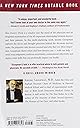
How Doctors Think [Groopman, Jerome] on desertcart.com. *FREE* shipping on qualifying offers. How Doctors Think Review: An Outstanding Analysis, But Only Part of the Problem - Most doctors are highly educated, hard working people. They may sometimes get a bit tetchy because they overwhelmed by the demands made on them, but most of the time they do their best. Yet in our blame culture there are places in America where you can't get a specialist to treat you: they have all been driven out of business by lawyers representing unhappy clients. The question of why this has come to pass has occupied the minds of the American medical profession for three decades. For more than a decade, Groopman's trenchant analyses have always been illuminating, and he has a rare gift for communicating them. This is one of the best books that he has written, about one of the issues that may lead to medical errors: simply not thinking well. It is a very real factor. We all - and not just doctors - jump to conclusions; believe what others tell us and trust the authority of "experts." Clinicians bring a bundle of pre-conceived ideas to the table every time that they see a patient. If that have just seen someone with gastric reflux, they are more likely to think that the next patient with similar symptoms has the same thing, and miss his heart disease. And woe betides the person who has become the "authority" on a particular illness: everyone coming through his or her door will have some weird variant of the disease. As Abraham Maslow once said, "If the only tool you have is a hammer, you tend to see every problem as a nail." To that we have to add that not all sets of symptoms fall neatly into a diagnostic box. That uncertainty can cause doctors and their patients to come unglued. Sometimes when doctors disagree it is based not on facts, but on different interpretations of this uncertainty. On this one topic the book is very good as far as it goes, thought I do think that the analysis is incomplete. I have taught medical students and doctors on five continents, and this book does not address some of the very marked geographic differences in medical practice. While I think that the book is terrific, let me point out some of the ways in which it is "Americano-centric." The first point is that the evidence base in medicine is like an inverted pyramid: a huge amount of practice is still based on a fairly small amount of empirical data. As a result doctors often do not know want they do not know. They may have been shown how to do a procedure without being told that there is no evidence that it works. As an example, few surgical procedures have ever been subjected to a formal clinical trial. Although medical schools are trying to turn out medical scientists, many do not have the time or the inclination to be scientific in their offices. In day-to-day practice doctors often use fairly basic and sometimes flawed reasoning. A good example would be hormone replacement therapy. It seemed a thoroughly good idea. What could be better than re-establishing hormonal balance? In practice it may have caused a great many problems. Medicine is littered with examples of things that seemed like a good idea but were not. Therapeutic blood letting contributed to the death of George Washington, and the only psychiatrist ever to win a Nobel Prize in Medicine got his award for taking people with cerebral syphilis and infecting them with malaria. The structure of American medicine does not support the person who questions: consensus guidelines and "standards of care" make questioning, innovation and freedom very difficult. A strange irony in a country founded on all three. The second major factor in the United States - far more than the rest of the world - is the practice of defensive medicine: doctors have to do a great many procedures to try and protect themselves against litigation. This is having a grievous effect not only on costs, but also on the ways in which doctors and patients can interact. Third is the problem of demand for and entitlement to healthcare. We do not have enough money for anything: but what is enough if the demand for healthcare continues to grow as we expect? And if people are being told that it is their right to live to be a hundred in the body of a twenty year-old? Much of the money is directed in questionable directions. There are some quite well known statistics: twelve billion dollars a year spent on cosmetic surgery, at a time when almost 40 million people have no health insurance. There are some horrendous problems with socialized medicine, but most European countries have at least started the debate about what can be offered. Should someone aged 100 have a heart transplant? Everyone has his or her own view about that one, but it is a debate that we need to have in the United States. Fourth is the impact of money on the directions chosen by medical students and doctors starting their careers. Most freshly minted doctors in the United States have spent a fortune on their education, so they are drawn to specialties in which they can make the most money to pay back their loans. In family medicine and psychiatry, even the best programs are having trouble filling their residency training programs. Many young doctors are interested in these fields, but they could die of old age before they pay off their loans. Fifth is the problem of information. It is hard for most busy doctors in the United States to keep up to date on the latest research, and many are rusty on the mechanics of how to interpret data. So much of their information comes from pharmaceutical companies. Many of the most influential studies have been conducted by pharmaceutical companies, simply because they have the resources. But there have been times when data has therefore appeared suspect. Industry is not evil, but companies certainly hope that their studies will turn out a certain way, and the outcome of any study depends on the questions asked and the way in which the data is analyzed. And like any collection of people, it is easy to fall into a kind of groupthink. There are countless examples of highly intelligent individuals who all missed the wood for the leaves. "Our product is the best there's ever been, and we are all quite sure that the stories about side effects are just a bit of "noise" created by our competitors." That topic alone could provide much grist for Dr. Groopman's mill. Another related problem is that many scientists are now also setting up companies to try and profit from the discoveries that they have made in academia. Most are working from the highest motives, but sometimes there are worries about impartiality. So once again, the unsuspecting physician may add data to the diagnostic mix without knowing its provenance. There have recently been a number of high profile examples of that. It could well be that Groopman will cover all of these points and more in his next book, and I can, of course, be accused of criticizing him for not writing the book that "I" wanted! This is a book that should be read by every doctor and patient in America. It is also good to know that there are other ways of thinking about some of the problems before us. Very highly recommended. Review: An excellent book that explains what goes on in the minds of doctors and their patients - I purchased both the book and the audio CD. After listening to the CD I circulated an e - mail to my friends saying : " Everybody ought to read How Doctors Think by Dr. Jerome E. Groopman. Read it whether you are a doctor or not. As a doctor or as a patient you may have experienced similar unfortunate events explained in the book. In that case read the book to never go through the same events. If you have not gone through such experiences read the book so that you will never have to suffer from similar inconveniences." Although a recent book "How doctors think " by Dr. Jerome E Groopman of Harvard Medical School has already caught a lot of attention and has been translated to different languages and is being sold in various countries. I am not a doctor. As patients my family and I have had to resort to the services of doctors many times. Not necessarily for big illnesses, sometimes only for check ups. In general we are quite healthy. I was attracted by the title of the book. Dr. Groopman explains very clearly what goes on in the minds of both the doctors and their patients and how their thinking styles affect their communication, the diagnoses and treatments. He gives many examples from many different branches of medicine. Everybody would agree with the assertion that better communication between patients and doctors is necessary. But how ? It is the how that Dr. Groopman explains. He shows the flawed thinking patterns in many doctors' thinking with actual detailed case studies leading to wrong diagnoses and treatments and how the doctor's thinking and reasoning should have been in each case. He says that some doctors jump to conclusions when they find a possible cause for a malady without searching for alternative causes that maybe more likely. He proposes a thinking method which generates many alternative explanations and working through the most likely ones before reaching a conclusion. This method seemed to me very similar to some of the correct thinking methods explained by a leading authority on the thinking subject : Dr. Edward de Bono. Another issue that Dr. Groopman emphasizes is the need for better listening skills for doctors. On the average they interrupt their patients 18 seconds after they start to talk and often miss out on important information that maybe crucial for a correct diagnosis. As a patient I can not agree more. Patients also have a responsibility in effective communication but I think doctors have the upper hand in this matter so doctors need to read this book more carefully than patients. In my experience the doctors' interruptions can sometimes be very rude : several years ago I went to an ear, nose, throat specialist with an ear ache. After inspection he told me I had a certain kind of ear infection. I wanted to express my thoughts on the disease and said : " Doctor, as far as I know about this infection..." He abruptly interrupted and said : " Let's not deal with his infection with what you know about it but rather with what we doctors know about it ". In another case, my family and I had gone to a summer holiday village for vacation. The air temperature dropped for several days and half of the hundreds of tourists including us in the holiday resort began to cough and have fevers. I phoned the holiday camp doctor from our room and said : " Good day doctor. My family and I are coughing with a fever. Half the tourists in the resort are also. The weather is so cold. There seems to be a flu epidemic. Do you think it is a viral or bacterial infection ? " He replied : " Are you a medical expert ? I am the doctor around here and I am the best judge. I say there is no epidemic. People can get ill that is normal ". In his book Dr. Groopman, in my opinion correctly says that there is no 100 % certainty in medicine. Even the most competent doctors can make wrong diagnoses. If the frequency of mistakes is too high then we can conclude the incompetence of the doctor. This may sound like stating the obvious but Dr. Groopman further states that despite the remarkable advances in medical technology such as brain imaging techniques etc. some doctors using these can still make the wrong diagnoses not because they are incompetent but because some of them see their patients as statistics or case studies not as real human beings. They fail to understand them as human beings. Dr. Groopman talks about the wrong thinking methods here. However, as a patient I would like to add that some doctors also have bad intentions. Most doctors I dealt with were honest and helpful, but I also came across in psychiatry several who had bad intentions. I have personally seen the improper utilization of advanced knowledge and technology : in psychiatry Quantitive EEG of the brain, questionnaires filled out by the patients such as the Beck Depression Inventory, The Beck Anxiety Scale, The Obsessive Compulsive Disorder questionnaire, the Minnesota Personality Test etc. are powerful tools at the disposal of a pychiatrist to help him / her diagnose, provided that they are properly evaluated. After these tests were implemented, I understood from the very superficial and wrong comments made by the psychiatrist that he had not carefully analyzed the tests and questionnaires. He did not understand us better after those tests. It is not the tests that were wrong, they could have been very useful had he taken the time to analyze them properly. Then why did he order these tests and the QEEG ? Because the hospital charges the patients for all those tests. They make money from the tests. I would not regret paying for them had they been properly evaluated. As patients we have the responsibility to properly listen and implement our doctors' instructions such as taking the medications given in the right doses,times and durations, stop smoking and using substances, do the exercises and diet given by the doctors. But the doctors have to listen to us first. Our primary responsibility as patients is to find doctors who not only think correctly most of the time but who are also honest and competent. In his book Dr. Groopman explains how smart patients can proactively participate in their dignoses by guiding doctors' thinking with relevant questions such as " could it be anything else ? ". If the doctor feels insulted or annoyed by such questions from the patient,as was in my case, then go to another doctor until you find one who does not feel insulted by relevant patient questions. This is perhaps esspecially needed in psychiatry : there are many competent psychiatrists but many others wrongly prescribe psychiatric medication or start irrelevant psychotherapies for what turns out to be physical illnesses that mimic the symptoms of a psychiatric disorder. The irresponsible psychiatrist overlooks it because he / she does not consider the possibility of a somatic illness by ordering blood tests. In such situations Dr. Groopman's advice to patients to ask " Could it be anything else ? " to their doctors is most relevant. Thank you Dr. Jerome E Groopman for writing a much needed book. I hope many doctors and patients around the world will read it and revise their approaches towards communication with one another.
| ASIN | B0029LHWKY |
| Best Sellers Rank | #1,335,100 in Books ( See Top 100 in Books ) #4 in Doctor-Patient Relations #12 in Medical Education & Training (Books) #7,917 in Health, Fitness & Dieting (Books) |
| Customer Reviews | 4.6 4.6 out of 5 stars (1,326) |
| Dimensions | 5.5 x 0.75 x 8.25 inches |
| Edition | Reprint |
| Item Weight | 12 ounces |
| Language | English |
| Print length | 336 pages |
| Publication date | March 12, 2008 |
| Publisher | Mariner Books |
D**Y
An Outstanding Analysis, But Only Part of the Problem
Most doctors are highly educated, hard working people. They may sometimes get a bit tetchy because they overwhelmed by the demands made on them, but most of the time they do their best. Yet in our blame culture there are places in America where you can't get a specialist to treat you: they have all been driven out of business by lawyers representing unhappy clients. The question of why this has come to pass has occupied the minds of the American medical profession for three decades. For more than a decade, Groopman's trenchant analyses have always been illuminating, and he has a rare gift for communicating them. This is one of the best books that he has written, about one of the issues that may lead to medical errors: simply not thinking well. It is a very real factor. We all - and not just doctors - jump to conclusions; believe what others tell us and trust the authority of "experts." Clinicians bring a bundle of pre-conceived ideas to the table every time that they see a patient. If that have just seen someone with gastric reflux, they are more likely to think that the next patient with similar symptoms has the same thing, and miss his heart disease. And woe betides the person who has become the "authority" on a particular illness: everyone coming through his or her door will have some weird variant of the disease. As Abraham Maslow once said, "If the only tool you have is a hammer, you tend to see every problem as a nail." To that we have to add that not all sets of symptoms fall neatly into a diagnostic box. That uncertainty can cause doctors and their patients to come unglued. Sometimes when doctors disagree it is based not on facts, but on different interpretations of this uncertainty. On this one topic the book is very good as far as it goes, thought I do think that the analysis is incomplete. I have taught medical students and doctors on five continents, and this book does not address some of the very marked geographic differences in medical practice. While I think that the book is terrific, let me point out some of the ways in which it is "Americano-centric." The first point is that the evidence base in medicine is like an inverted pyramid: a huge amount of practice is still based on a fairly small amount of empirical data. As a result doctors often do not know want they do not know. They may have been shown how to do a procedure without being told that there is no evidence that it works. As an example, few surgical procedures have ever been subjected to a formal clinical trial. Although medical schools are trying to turn out medical scientists, many do not have the time or the inclination to be scientific in their offices. In day-to-day practice doctors often use fairly basic and sometimes flawed reasoning. A good example would be hormone replacement therapy. It seemed a thoroughly good idea. What could be better than re-establishing hormonal balance? In practice it may have caused a great many problems. Medicine is littered with examples of things that seemed like a good idea but were not. Therapeutic blood letting contributed to the death of George Washington, and the only psychiatrist ever to win a Nobel Prize in Medicine got his award for taking people with cerebral syphilis and infecting them with malaria. The structure of American medicine does not support the person who questions: consensus guidelines and "standards of care" make questioning, innovation and freedom very difficult. A strange irony in a country founded on all three. The second major factor in the United States - far more than the rest of the world - is the practice of defensive medicine: doctors have to do a great many procedures to try and protect themselves against litigation. This is having a grievous effect not only on costs, but also on the ways in which doctors and patients can interact. Third is the problem of demand for and entitlement to healthcare. We do not have enough money for anything: but what is enough if the demand for healthcare continues to grow as we expect? And if people are being told that it is their right to live to be a hundred in the body of a twenty year-old? Much of the money is directed in questionable directions. There are some quite well known statistics: twelve billion dollars a year spent on cosmetic surgery, at a time when almost 40 million people have no health insurance. There are some horrendous problems with socialized medicine, but most European countries have at least started the debate about what can be offered. Should someone aged 100 have a heart transplant? Everyone has his or her own view about that one, but it is a debate that we need to have in the United States. Fourth is the impact of money on the directions chosen by medical students and doctors starting their careers. Most freshly minted doctors in the United States have spent a fortune on their education, so they are drawn to specialties in which they can make the most money to pay back their loans. In family medicine and psychiatry, even the best programs are having trouble filling their residency training programs. Many young doctors are interested in these fields, but they could die of old age before they pay off their loans. Fifth is the problem of information. It is hard for most busy doctors in the United States to keep up to date on the latest research, and many are rusty on the mechanics of how to interpret data. So much of their information comes from pharmaceutical companies. Many of the most influential studies have been conducted by pharmaceutical companies, simply because they have the resources. But there have been times when data has therefore appeared suspect. Industry is not evil, but companies certainly hope that their studies will turn out a certain way, and the outcome of any study depends on the questions asked and the way in which the data is analyzed. And like any collection of people, it is easy to fall into a kind of groupthink. There are countless examples of highly intelligent individuals who all missed the wood for the leaves. "Our product is the best there's ever been, and we are all quite sure that the stories about side effects are just a bit of "noise" created by our competitors." That topic alone could provide much grist for Dr. Groopman's mill. Another related problem is that many scientists are now also setting up companies to try and profit from the discoveries that they have made in academia. Most are working from the highest motives, but sometimes there are worries about impartiality. So once again, the unsuspecting physician may add data to the diagnostic mix without knowing its provenance. There have recently been a number of high profile examples of that. It could well be that Groopman will cover all of these points and more in his next book, and I can, of course, be accused of criticizing him for not writing the book that "I" wanted! This is a book that should be read by every doctor and patient in America. It is also good to know that there are other ways of thinking about some of the problems before us. Very highly recommended.
R**N
An excellent book that explains what goes on in the minds of doctors and their patients
I purchased both the book and the audio CD. After listening to the CD I circulated an e - mail to my friends saying : " Everybody ought to read How Doctors Think by Dr. Jerome E. Groopman. Read it whether you are a doctor or not. As a doctor or as a patient you may have experienced similar unfortunate events explained in the book. In that case read the book to never go through the same events. If you have not gone through such experiences read the book so that you will never have to suffer from similar inconveniences." Although a recent book "How doctors think " by Dr. Jerome E Groopman of Harvard Medical School has already caught a lot of attention and has been translated to different languages and is being sold in various countries. I am not a doctor. As patients my family and I have had to resort to the services of doctors many times. Not necessarily for big illnesses, sometimes only for check ups. In general we are quite healthy. I was attracted by the title of the book. Dr. Groopman explains very clearly what goes on in the minds of both the doctors and their patients and how their thinking styles affect their communication, the diagnoses and treatments. He gives many examples from many different branches of medicine. Everybody would agree with the assertion that better communication between patients and doctors is necessary. But how ? It is the how that Dr. Groopman explains. He shows the flawed thinking patterns in many doctors' thinking with actual detailed case studies leading to wrong diagnoses and treatments and how the doctor's thinking and reasoning should have been in each case. He says that some doctors jump to conclusions when they find a possible cause for a malady without searching for alternative causes that maybe more likely. He proposes a thinking method which generates many alternative explanations and working through the most likely ones before reaching a conclusion. This method seemed to me very similar to some of the correct thinking methods explained by a leading authority on the thinking subject : Dr. Edward de Bono. Another issue that Dr. Groopman emphasizes is the need for better listening skills for doctors. On the average they interrupt their patients 18 seconds after they start to talk and often miss out on important information that maybe crucial for a correct diagnosis. As a patient I can not agree more. Patients also have a responsibility in effective communication but I think doctors have the upper hand in this matter so doctors need to read this book more carefully than patients. In my experience the doctors' interruptions can sometimes be very rude : several years ago I went to an ear, nose, throat specialist with an ear ache. After inspection he told me I had a certain kind of ear infection. I wanted to express my thoughts on the disease and said : " Doctor, as far as I know about this infection..." He abruptly interrupted and said : " Let's not deal with his infection with what you know about it but rather with what we doctors know about it ". In another case, my family and I had gone to a summer holiday village for vacation. The air temperature dropped for several days and half of the hundreds of tourists including us in the holiday resort began to cough and have fevers. I phoned the holiday camp doctor from our room and said : " Good day doctor. My family and I are coughing with a fever. Half the tourists in the resort are also. The weather is so cold. There seems to be a flu epidemic. Do you think it is a viral or bacterial infection ? " He replied : " Are you a medical expert ? I am the doctor around here and I am the best judge. I say there is no epidemic. People can get ill that is normal ". In his book Dr. Groopman, in my opinion correctly says that there is no 100 % certainty in medicine. Even the most competent doctors can make wrong diagnoses. If the frequency of mistakes is too high then we can conclude the incompetence of the doctor. This may sound like stating the obvious but Dr. Groopman further states that despite the remarkable advances in medical technology such as brain imaging techniques etc. some doctors using these can still make the wrong diagnoses not because they are incompetent but because some of them see their patients as statistics or case studies not as real human beings. They fail to understand them as human beings. Dr. Groopman talks about the wrong thinking methods here. However, as a patient I would like to add that some doctors also have bad intentions. Most doctors I dealt with were honest and helpful, but I also came across in psychiatry several who had bad intentions. I have personally seen the improper utilization of advanced knowledge and technology : in psychiatry Quantitive EEG of the brain, questionnaires filled out by the patients such as the Beck Depression Inventory, The Beck Anxiety Scale, The Obsessive Compulsive Disorder questionnaire, the Minnesota Personality Test etc. are powerful tools at the disposal of a pychiatrist to help him / her diagnose, provided that they are properly evaluated. After these tests were implemented, I understood from the very superficial and wrong comments made by the psychiatrist that he had not carefully analyzed the tests and questionnaires. He did not understand us better after those tests. It is not the tests that were wrong, they could have been very useful had he taken the time to analyze them properly. Then why did he order these tests and the QEEG ? Because the hospital charges the patients for all those tests. They make money from the tests. I would not regret paying for them had they been properly evaluated. As patients we have the responsibility to properly listen and implement our doctors' instructions such as taking the medications given in the right doses,times and durations, stop smoking and using substances, do the exercises and diet given by the doctors. But the doctors have to listen to us first. Our primary responsibility as patients is to find doctors who not only think correctly most of the time but who are also honest and competent. In his book Dr. Groopman explains how smart patients can proactively participate in their dignoses by guiding doctors' thinking with relevant questions such as " could it be anything else ? ". If the doctor feels insulted or annoyed by such questions from the patient,as was in my case, then go to another doctor until you find one who does not feel insulted by relevant patient questions. This is perhaps esspecially needed in psychiatry : there are many competent psychiatrists but many others wrongly prescribe psychiatric medication or start irrelevant psychotherapies for what turns out to be physical illnesses that mimic the symptoms of a psychiatric disorder. The irresponsible psychiatrist overlooks it because he / she does not consider the possibility of a somatic illness by ordering blood tests. In such situations Dr. Groopman's advice to patients to ask " Could it be anything else ? " to their doctors is most relevant. Thank you Dr. Jerome E Groopman for writing a much needed book. I hope many doctors and patients around the world will read it and revise their approaches towards communication with one another.
D**S
This seems to be a classic master piece write-up. It is a MUST reference for both patient and doctor. Very useful for business professionals too.
A**Y
Many doctors like to put themselves on a pedestal as they pontificate about a patients health. This book blows the doctors myth and reveals the doctors pedestal is actually made of dry sand and they really just deal in probabilities. Mandatory reading for anyone involved in the health industry - patient to practitioner
R**O
Dentro do esperado.
C**K
I bought this after reading a review in New Scientist magazine when it first came out. As a practitioner and academic (acupuncture and Chinese herbal medicine - 30 years)I have developed an understanding of medical pitfalls and "How Doctors Think" made me realise its not just me - even many doctors (Groopman is doctors clinical tutor)are concerned about the state of modern medicine and are taking the problem seriously enough to do research into the errors that occur and how they can be avoided. The author not only discusses this work but gives us the specialist terms for the thinking errors that lie behind medical mistakes - such as "search satisfaction" - when the person stops thinking as soon as they have thought of a diagnosis that might conceivably explain the symptoms. Groopman devotes a chapter to his own experience of trying to navigate the medical maze and getting hopeless and potentially risky care from "top" US specialists. Like another reviewer I have bought a few copies of this book to give as presents - mainly to medical students, with the hope of having them grow up able to avoid the mistakes. This book is great too for all kinds of medical professionals, alternative included, because they too can fall into some of the same thinking traps. Its a useful handbook for patients as well because the author gives questions you can ask that can help guide your carer's thinking. "Is there anything else it could be doctor?", for example, helps counter the "search satisfaction" problem. OK, I've given 5 stars, and I mean it, especially because it connects to an evidence base. The main irritation for me was the chatty New York writing style - "he was a regular guy - a 195 pound pitcher for the Yankees..." kind of thing - but we brits can forgive such stuff if the actual content is so valuable. And it is. Buy this medics and be a good doctor.
D**S
A real eye opener, not only for us patients . I gave my copy to my home doctor to read. I’m interested in finding out what her opinion is.
Trustpilot
2 weeks ago
1 month ago