

Desert Online General Trading LLC
Dubai, United Arab Emirates
Desert Online General Trading LLC
Dubai, United Arab Emirates


Full description not available
V**E
I absolutely loved this story
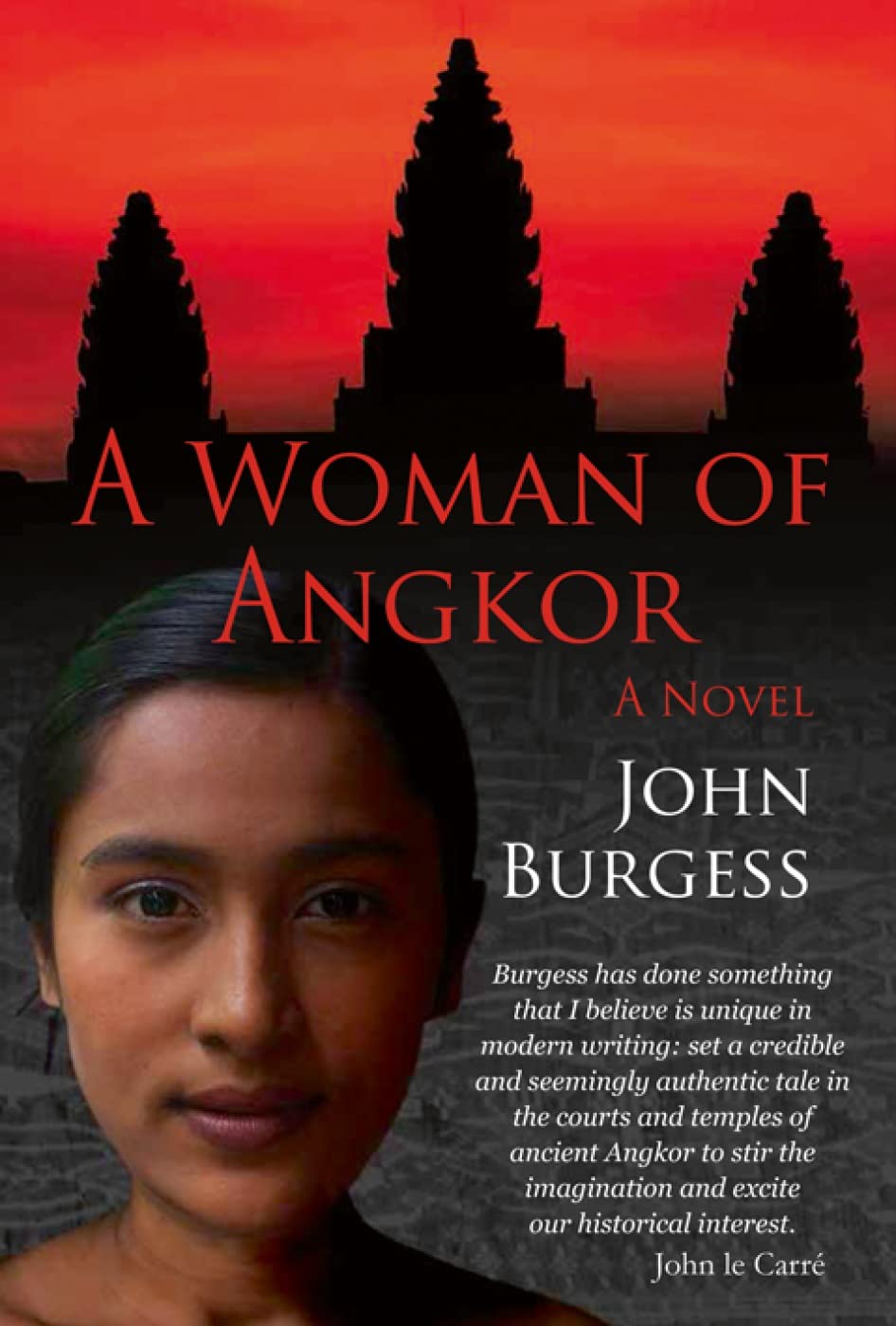
I spent two weeks in February 2025 in Cambodia and chose to read this book as a lead up to my visit to Angkor Wat. I arrived at the temple at Sunrise thus I now have a photo that resembles the book cover. Lady Sray’s character and story was so captivating that I could barely put the book down. And it has been a long time since I’ve read a book this fast. I have been recommending this book to friends as well. This book had the power to elicit extreme emotions and opinions of certain characters. I could imagine what the king looked like. I wanted to fight Rom. I was frustrated at how stupid Bopa could be. I think I had a crush on sergeant Sen. lol And being in Cambodia witnessing some of the serene landscapes really brought this book to life. And having visited Angkor Wat while reading this book I knew what was being described in the building of the temple. It truly is remarkable.
D**D
Historical fiction about Angkor Wat
I read this soon after returning from a trip to Angkor Wat, so I had a lot of interest and information going in. I like fiction of this type that fleshes out the human story behind ancient sites--I like Ken Follett's books about the cathedral building, and others about Stonehenge and the Mayans. I consider it well-educated speculative fiction with a historical backdrop.Anyway.I think Burgess is a good, not great, fiction writer with what seem like plausible and interesting story lines that tell you a lot about ancient Cambodia and Khmer culture, including the building of the great temple of Angkor Wat. The book is told in the first person by a woman who rises from poverty to being a talented and rich businesswoman, religious benefactor, and a spiritual woman with a sensual side. Her husband is parasol maker to the king and as such is influential at court; court politics play a large part in the story. Her son becomes the architect of Angkor Wat and her daughter the king's courtesan. The story plays out over her entire lifetime and includes warfare, foreign travel, romance, intrigue, and was engaging enough to keep me interested through 500 pages. It moves along well and creates a plausible world of the Khmer empire of the 13th century.Interesting characters who grow and change over time are part of the attraction too. I'd recommend it to anyone with an interest in historical fiction set in a time and place unfamiliar to most of us. If you have been to the region, especially if you have been to Angkor, I think you'll really like it.
V**S
Very Impressed
I am very impressed with Mr. Burgess’s knowledge of Cambodian history and culture. He managed to weave many aspects of Khmer history and culture into this charming story. Glad he called it a “novel” instead of a “historical novel” because he took quite a few liberties in his storytelling. As he confessed, all the major characters are fictional. This gave him a lot more creative freedom.The Khmer history and culture of course started way before Angkor Wat and continued after it. But Angkor Wat seems to be all the westerners are interested in about Cambodia. Mr. Burgess cleverly selected the rise and fall of Suryavarman II as the king for his story so he could capsulize the time period and include the building of Suryavarman’s very special monument. As Suryavarman was a dynamic prince with abilities to support his ambitions who murdered his way to the throne, as he was also a visionary king who atoned his sins by expanding Cambodia’s borders and commerce and by building temples, his reign lend the story a dramatic flair.Because the narrative is the recollection of the fictional Sray, an old religious woman who had seen though the world of samsara, the pace is necessarily slow. But it gave the story the opportunity to include various aspects of Cambodian culture. By making her live through poverty and deprivation to wealth and prestige then back again, it gave the story the opportunity to include many Cambodian lifestyles, from royalty to peasants. By surrounding her with movers and shakers of the kingdom, it gave the story the opportunity to connect the major events of Suryavarman’s reign. After Mr. Burgess built a grand and sturdy framework for his story, all he had to do was filling in the details. The respect Mr. Burgess showed for Cambodian culture enabled us to enter Sray’s world as a native rather than as an intruder.It is interesting that Mr. Burgess chose the name Sovan as Sray’s son and the inspired architect of Angkor Wat after he learned his craft from the nameless chief architect. According to Cambodian legends, Sovan, the son of a village chief, was the chief apprentice and successor of Preah Pusnokar, the divine architect who built Angkor Wat after a visit to heaven.However, Mr. Burgess included Sray in the first Khmer embassy that Suryavarman sent to China. But Hangzhou did not become China’s capital for the Southern Song Dynasty until later in Suryavarman’s reign after several Khmer embassies had been to China and after the Chinese emperor had already granted the Khmer ruler the high status of a “great vassal of the empire”. And none of the Chinese emperors during that period was a child. Even if a child was emperor, the rigid concept that the emperor is “son of heaven” and the strict protective protocol would have him surrounded by eunuchs and court officials and far away from strangers. A foreign woman would never have the chance to get anywhere near the child much less touch him. But, as both Sray and her trip to China are fictional, Mr. Burgess is allowed some creative license.Unlike another American male author who tried to tell the story of Taj Mahal from a female point of view but erroneously imagined cloistered traditional Mughal Muslim royal consorts and princesses as modern liberated free-spirited American women, Mr. Burgess actually seems to understand how traditional Asian women, good and bad, behave. And he displayed a sense of gentle femininity in his narrative, even when the women were strong-willed, which is rare from male authors. I am very impressed.
J**H
A view into a distant world
I have to admit, that I read this novel mostly because I was on my way to visit Angkor and I find the historical fiction an easy and rewarding way to get a more human point of view as a supplement to the reading of historical text.In this case I was touched by the story of this fascinating, lovly and humble woman Shrey, who live a life that may be rather unbelieveable, but works as a convincing picture of the angkorian world and i such a way has the novel fulfilled my expectations.
A**N
My favorite read
I absolutely loved this book and didn’t want it to end. The story felt incredibly real, pulling me in with its vivid characters and emotions. The writing was truly captivating—every word held my attention, making it impossible to put down.
T**N
like distant cousins
Having a special interest in Cambodia, and having traveled to Siem Reap several times, it was not difficult to let my mind roam as though I were eye witness to the construction of Angkor Wat and life as it would have been lived in ancient days. Great character development of Sray and other leading players. I would have liked to benefit from the author's research with a little more subject matter on personal patterns such as marital intimacy and issues of cultural taboos.This would be great read for someone planning a visit to Siem Reap...read a good non-fiction on it and then let this book occupy your time on the long flight there and finish it up while sitting in one of the many secluded alcoves of the ruins while keeping an eye out for the ghost of Rom or the ever protective Sen.
Trustpilot
1 month ago
2 days ago