Full description not available
J**L
Don't be put off by the apparently trivial title
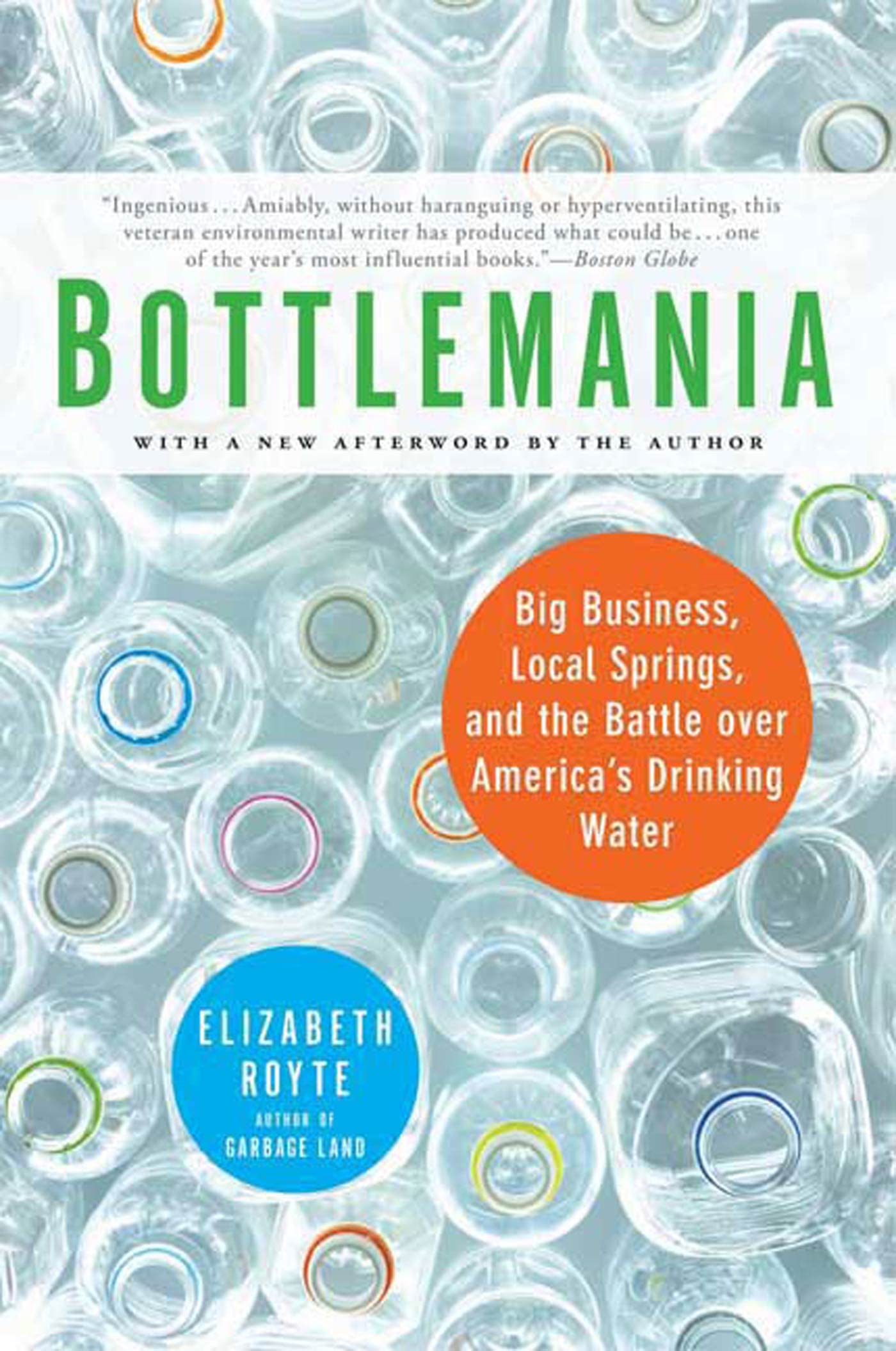
The title is cute and catchy and implies the book is a lightweight screed about the erstwhile evils of drinking bottled water. Yes, the initial starting point for Ms. Royte's inquiry was asking some simple questions about the impacts and equities of a corporation bottling huge quantities of Maine springwater. But this is an important environmental book, in the same league as "An Inconvenient Truth".This is because Ms. Royte's simple questions about bottled water lead her and us on an exploration of a whole hidden world of our water and sanitation resources and infrastructure that lies behind our taps. How does bottled springwater differ from tap water in terms of harmful biological and chemical contaminants? How did the fad of chugging water out of throwaway plastic bottles catch on? Where does our tap water come from? How is it treated? Is that necessarily good for us? What is happening to the watersheds that all of us depend on? How can they be protected? How are water and sanitation systems interrelated? Are these groundwater and freshwater issues affected by other environmental trends, like global warming? And so on.Like Ms. Royte, you will probably come to the end of this brisk, readable work knowing a lot more about your own water and sanitation then you did when you began and have a much better appreciation of the somewhat unsurprising policy conclusions she reaches: that protecting our public drinking water "commons" makes more sense than drinking water bottled at distant plants.Although judging by the cute title and cover art the topic might seem a bit frothy and more of a treatise on marketing and product development, the author's target is much wider. I am an environmental attorney and have handled permitting and litigation involving public water supply and sanitary treatment systems and bottled springwater, and am impressed by how the author is able to get so much technical detail right, while keep it readable and interesting to a lay audience. Ms. Royte has written one of the best general interest books in a long while on an important, probably, THE most important environmental topic (other than climate change/greenhouse gases) of "wat-san" and preserving/expanding our aging public water and sewer infrastructure. In getting to those conclusions by starting her inquiry with questions about commoditized bottled water, the author attempts to be evenhanded and fair in her depiction of the corporate and individual actors without overly indulging in anti-corporate bias.My only minor quibble is the omission of any discussion of state licensing requirements and associated testing and reporting requirements (where it says, e.g., "NYSHD Cert. No. ___" on the label in small type). However, that's just a small omission, although I'm surprised the Nestle people didn't mention that there are state reviews of their in-house analytical and production data, it would seem to make their case stronger that water quality is not merely self-regulated or conforming only to advisory industry standards (i.e., IBWA) with respect to periodic testing, labeling and allowable maximum contaminant levels. That small error however does not detract significantly from the quality of this book. I've just ordered a few more copies of this book to share with several friends and colleagues who I think would be interested, that's how much I'm recommending it.
T**S
Interesting but convoluted
After reading this book, I will most certainly think twice about asking for bottled water again. While I suspected that bottled waters were 1000% profit companies, I had no idea what the consequences could be of their actions. It makes for disturbing consideration.I found the writing somewhat convoluted and often wandering off the point I felt the author was trying to make. Nevertheless the book is an essential read to enlightening us about our (now revealed) indulgent habits.I for one am making a change in my habits. Yes, it has to be tap water from now on, but via a filter that I can control. Hopefully each person who follows suit will actively persuade their governments to improve their local water supply systems.
A**P
goes hundreds of years into the past to explain who bottled water became mainstream and why tap water isn't necessarily perfect
Royte covers all the bases here, goes hundreds of years into the past to explain who bottled water became mainstream and why tap water isn't necessarily perfect either. She gives the municipal water companies a run for their money, along with the EPA and FDA, so no one gets off easy. This isn't necessarily intended to scare anyone, just to get you to think a bit deeper about where that beverage you're sipping on came from and the true costs to the environment and our state and federal budgets.
K**I
Must read!
This book's personable feel almost tricks you into absorbing tons of history and research into both the bottled water industry and our municipal water supply. It presents plenty of information, including counter arguments, and does so without feeling preachy or elitist. As every living creature needs water to survive, I'd put this book high on the Must Read list.
E**N
It's super preachy and when the author came to talk
We had to read this for school. It's super preachy and when the author came to talk, no one took her seriously.
J**4
Great read
Very interesting book. I am a lot more informed about the water we drink and where it comes from. Buying and drinking water has not been the same for me since reading this book.
W**D
An interesting tail of the big business of getting you water that's nicer than you're evolved to drink.
Royte's work in Bottlemania highlights the creation of an industry - in this case, an essentially phony and made-up "need" created to serve an educated public concerned about water-borne illness. What you really discover is that people are just interested in the portability aspect and ultimate convenience of a store-bought bottle of water following around them for 20, then that bottle spending 800+ years in a landfill.She goes a little light on this second issue, I think. I kept waiting for her to coalesce the story into the global plastics pollution problem. I'm now halfway through the book and am wondering if she's going to "close the deal." I am betting the story will become less parochial and more enjoying if she takes this tack.
D**N
I was surprised at how much I liked it. I wish there were more information on ...
I had to purchase this book for an English class a few years ago. I was surprised at how much I liked it. I wish there were more information on what happened to the town.
Trustpilot
3 weeks ago
2 months ago